
Water coming from the exhaust, This causes many drivers to panic, especially during the winter months. Concerns begin to arise such as, "Is the engine burning water?" or "Is there a crack in the exhaust?" But what is the truth? Is it normal for water to come out of the exhaust?? Reply: Most of the time, YES, it's normal! But sometimes it can be a sign of a serious malfunction.
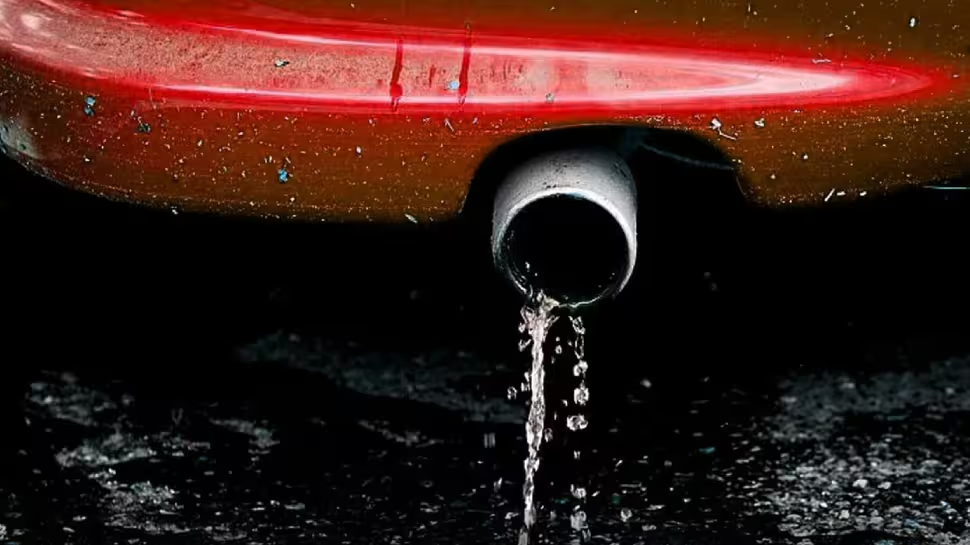
Why Does Water Come Out of Exhaust? (Scientific Explanation)
When an engine burns fuel (gasoline/diesel), two main combustion products are formed:
- Carbon dioxide (CO2)
- Water vapor (H2O)
Especially in cold weather, hot exhaust gas comes into contact with a cold exhaust pipe. This is where physics comes into play: Condensation. Water vapor turns into droplets on the cold surface and begins to drip from the exhaust nozzle.
Normal Condition: Healthy Condensation
When is it normal?
- First start-up in the morning (when the engine is cold)
- For short-distance use. (before the engine is fully warmed up)
- In cold and humid weather
- Just in the shape of a water droplet. (clear, colorless)
Sign: Water flow will stop or decrease once the engine is fully warmed up (after 10-15 minutes). This indicates that your engine... It indicates that it is burning fuel efficiently and that your exhaust system is healthy..
3 Critical Distinction Points: Normal or Malfunction?
1. The Color and Consistency of the Water
Normal: Clear, colorless, clean water
Fault Indicator:
- White, thick, milky: Coolant leak (from the gasket to the combustion chamber)
- Dark/dirty: Oil mixture (serious engine failure)
2. Quantity and Continuity
Normal: A few drops, it decreases as the engine warms up.
Fault Indicator:
- Continuously and in large quantities water flow
- Even when the engine is fully warmed up continuation
- Enough to form a puddle excess
3. Occurring Along with Other Symptoms
Normal: Just water, no other signs.
Fault Indicator: With the arrival of the water:
- From the exhaust white/vapor smoke
- In the radiator water shortage
- On the dipstick milky coffee color (oil-water mixture)
- In engine performance drop
Special Case Study: Why Do Diesel Vehicles Contain More Water?
Diesel engines burn more efficiently and produce more water vapor. Also... DPF (Diesel Particulate Filter) Water is actively injected during the cleaning process. This is why water comes out of the exhaust in diesel vehicles. more frequent and normal.
When should you go to the emergency room?
Get it checked immediately in the following situations:
- From the exhaust white, dense smoke water coming along with
- Radiator water rapidly decreasing
- In engine oil brownish, milky appearance
- The vehicle overheating
These symptoms, cylinder head gasket failure It can indicate.
Simple DIY Control
1. Your vehicle on a flat surface run
2. 10-15 minutes Run it at idle (let the engine warm up).
3. Exhaust tip with a white handkerchief shilling
4. Only on the handkerchief trace of clear water If applicable: NORMAL
5. In the handkerchief oily, colored or residue-containing If there are any marks: SHOW TO AN EXPERT.
Frequently Asked Questions
Is it harmful for water to drip from the exhaust pipe?
Normal condensation water is harmless. On the contrary, it can cause your exhaust fumes to condensate. delays rusting (Keeps the inner surface moist). However, constantly using large amounts of water can cause the muffler to accumulate and freeze, leading to cracks in winter.
Will there be water in the summer too?
Yes, but less so. Air conditioning condensation can also drip into the exhaust pipe. It's especially normal to see water dripping from under the front bumper (air conditioning water) when you're stopped with the air conditioning running.
Is it abnormal that there is no water?
Actually, water may not form in very dry climates or when the engine burns inefficiently. But the general rule is: Small amount of water = Healthy burning.
Technical Details: Is it Different for Gasoline and Diesel Engines?
Water coming from the exhaust is seen in both gasoline and diesel vehicles, but the causes and frequency differ:
In gasoline-powered vehicles:
Gasoline engines produce approximately 1 liter of water vapor for every 1 liter of fuel during combustion. This is theoretically an indication of perfect combustion. In modern gasoline vehicles... lambda sensor And catalytic converter Thanks to this, combustion efficiency is very high, which means more water vapor.
In Diesel Vehicles:
Diesel engines operate at higher pressure, resulting in more efficient combustion. In addition:
- DPF Regeneration: Active water injection is used during the cleaning of the Diesel Particulate Filter.
- EGR System: The exhaust gas recirculation system sends moist gases back to the engine.
- AdBlue/DEF: Some diesel engines have a water-based liquid injected into the exhaust system.
Therefore, water coming from the exhaust in diesel vehicles. almost inevitable and normal.
Conclusion and Practical Recommendations
Water coming from the exhaust In most cases, this indicates that your engine is functioning properly. What you should worry about is..., the color of the water, the quantity, and other accompanying symptoms.
Tip for winter: If you only use it for short distances, run your car at high RPMs for about 30 minutes once a month. This helps remove accumulated moisture from the exhaust system.
To learn more about your exhaust system “"How Does an Exhaust System Work?"” You can read our guide. Or, to learn about the basic parts of an exhaust system... “"Exhaust System Parts and Their Functions"” Check out our article.
Remember: A tiny drop in the ocean isn't worth a huge panic. But a major symptom can have worse consequences than a small oversight!