
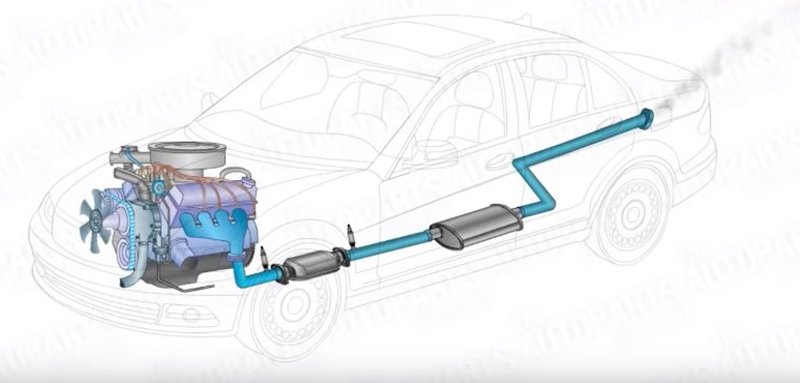
How does the exhaust system work? This guide is for those seeking the answer to this question., How does the exhaust system work? We'll explain the process in four simple steps. The answer is actually similar to how our bodies breathe. Your engine takes in clean air, burns it, and expels the waste gases through the exhaust system. Here are the simple steps of this "breathing out" process:
How does an exhaust system work? Detailed Explanation in 4 Steps
Step 1: It All Begins in the Combustion Chamber
A mixture of gasoline/diesel and air explodes in the engine's cylinders. This explosion pushes the pistons and generates power. But it also produces burnt, hot, and toxic gases. That's it. How does the exhaust system work? The first step in answering that question begins here.
Step 2: Gases are Collected and Cleaned
The burnt gases first to the exhaust manifold dollars. This is like a "junction" that collects the gases from all the cylinders into a single pipe. Then the gases catalytic converter (catalyst) is where it reaches. This is the system's environmental filter. Harmful gases (CO, HC, NOx) are converted here into less harmful gases.
Step 3: Activating Voice Control
Gases that have been cleaned now to the silencer It reaches [the target]. The muffler is filled with labyrinthine chambers. As the gas passes through these chambers, the sound waves cancel each other out, and the noise level is reduced to an acceptable level. In performance exhausts, these chambers are simpler, resulting in a sportier sound.
Step 4: Breakthrough and System Completion
The silenced gases, finally from the exhaust pipe It is expelled. Meanwhile, feedback signals are sent to the engine. In modern vehicles... lambda sensor The oxygen sensor adjusts the fuel-air mixture by measuring the quality of the gases. This allows the system to optimize itself. How does the exhaust system work? The cycle is complete.
Technical Details: Diesel vs. Gasoline Differences
How does the exhaust system work? The process varies depending on the type of motor:
In Gasoline Engines:
- Higher exhaust temperature (600-900°C)
- The catalytic converter heats up faster.
- Water vapor formation is higher.
- Lambda sensors provide precise control.
In Diesel Engines:
- DPF (Diesel Particulate Filter) provides extra filtration.
- It has an EGR (Exhaust Gas Recirculation) system.
- It works integrated with the turbocharger.
- AdBlue/SCR systems reduce NOx.
Let's explain with a practical example.
We can compare the exhaust system to a city's sewage system:
- Manifold = The main line where household waste is collected.
- Catalyst = Wastewater treatment plant
- Muffler = Sound insulation that prevents noise
- Exhaust Outlet = Releasing treated water into nature
Frequently Asked Questions
Why does the exhaust make noise?
Explosions in the combustion chamber generate high-pressure sound waves. The muffler attempts to cancel out these waves. Old or damaged mufflers cannot fully control the sound.
What does the color of exhaust smoke mean?
• White smoke (cold weather): Normal
• Blue smokeFat burning
• Black smokeExcess fuel – symptom of a malfunction.
Does the exhaust affect performance?
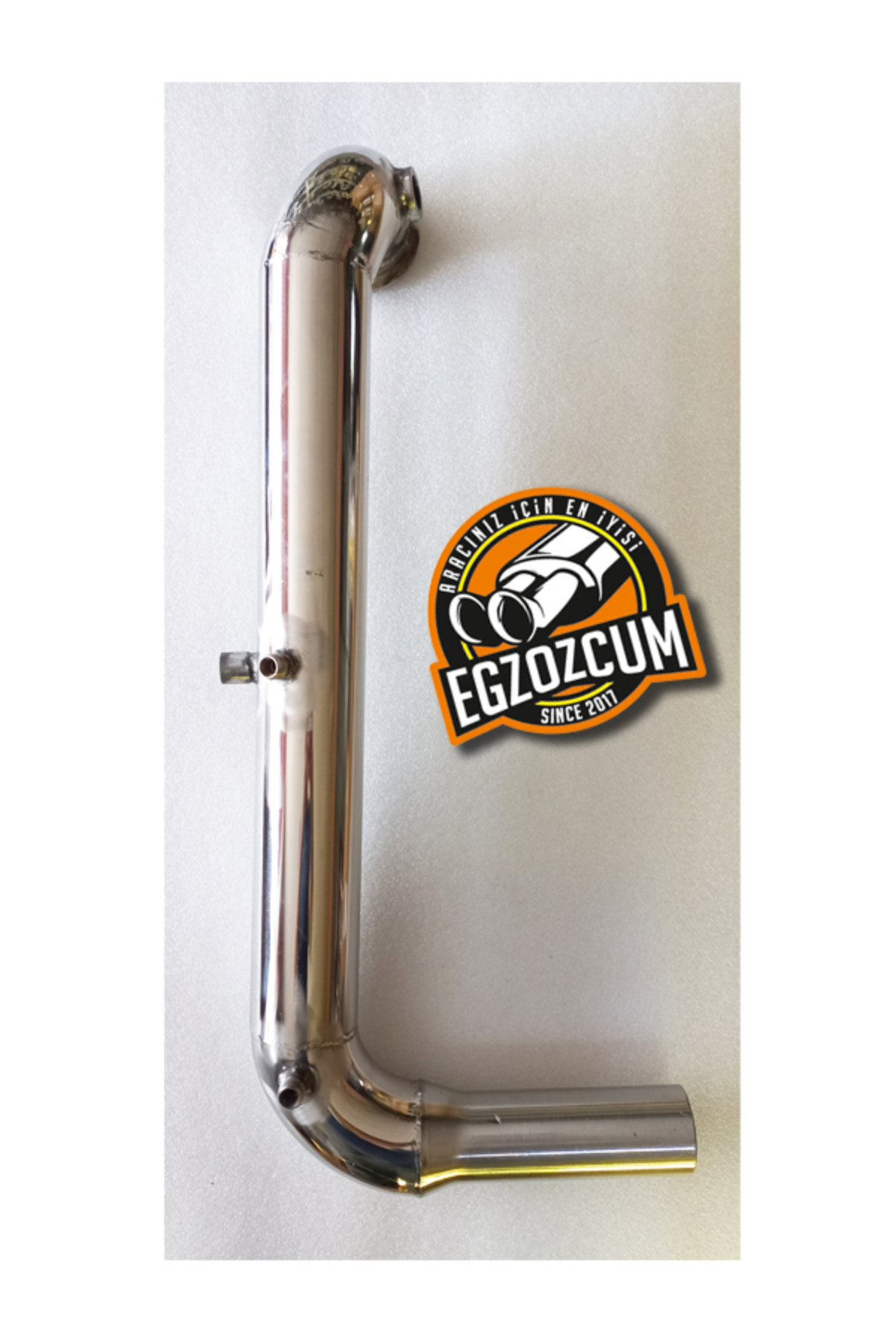
Absolutely! A clogged exhaust makes it difficult for the engine to "breathe." When gases can't escape, fresh air can't get in, and power decreases. Performance components like downpipes It increases power by speeding up the gas flow.
Does more water come out when the engine is cold or hot?
Definitely when it's cold. When the engine and exhaust are cold, the hot water vapor produced by combustion condenses rapidly upon contact with cold metal surfaces. As the engine heats up, the exhaust system also heats up, and condensation decreases.
Is exhaust fluid acidic? Can it damage the underside of a car?
Normal condensate water not acidic The pH is close to neutral. However, if sulfur-containing fuel is used or the engine has inefficient combustion, the water can become acidic. In this case, corrosion in the exhaust system accelerates. Using high-quality fuel reduces this risk.
Do new vehicles have more water in them?
Yes, usually. in new and well-maintained vehicles More water is seen. Reason:
- Higher engine efficiency.
- Combustion is cleaner.
- The exhaust system is leakproof.
If water is leaking from your new car, this is usually the case. It is an indicator of quality combustion..
Maintenance Tips: How does an exhaust system work? Will it stay healthy?
- Regular Check-up: Visually inspect the exhaust system once a month.
- Winter Maintenance: Avoid short-distance driving in cold weather.
- Fuel Quality: Use quality fuel to extend catalytic converter life.
- Professional Support: Get a specialist check-up once a year.
Conclusion: How does an exhaust system work? Summary of the question
How does the exhaust system work? The answer to that question is actually hidden in a simple cycle: Combustion → Collection → Cleaning → Silencing → Disposal. Any disruption in this cycle will result in a performance decrease or malfunction.
Regular checks are important to ensure your exhaust is functioning properly. If you notice any unusual sounds, vibrations, or smoke, exhaust maintenance Consult an expert for this.
If you'd like to learn more about exhaust parts in detail, “"Exhaust System Parts and Their Functions"” You can read our guide if you have concerns about water coming from the exhaust., “"Is it normal for water to come out of the exhaust?"” Check out our article.