
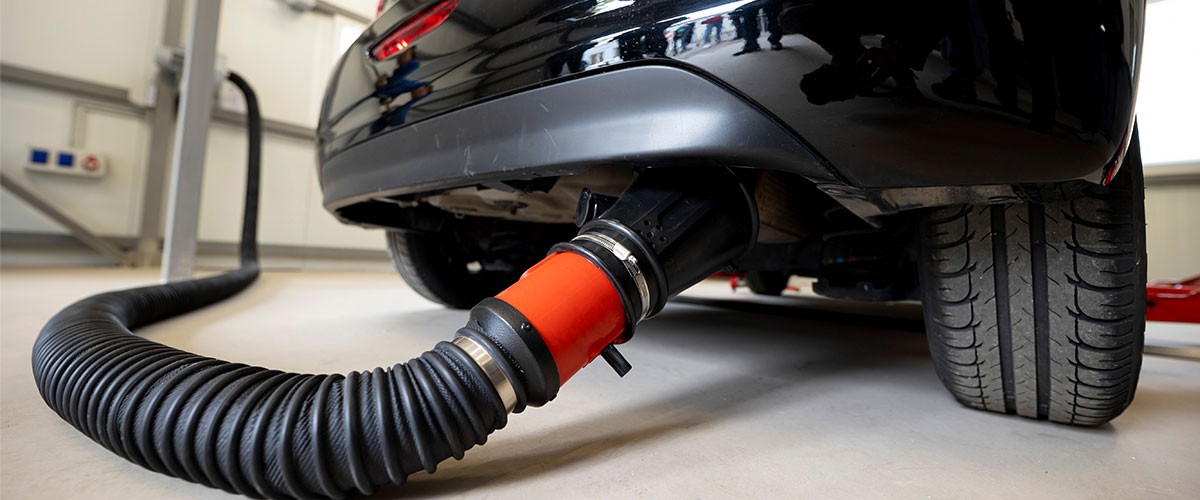
Exhaust emission values, These are critical measurements that show how much damage your vehicle is causing to the environment. Terms like HC, CO, and NOx that you encounter during inspection can be confusing. In this guide, exhaust emission valuesWe will simply explain what it means, its ideal levels, and how you can lower your values.
Exhaust Emission Values Why is it important?
Exhaust emission testing is not just a bureaucratic process, but also:
- Environmental health critical for
- Engine efficiency indicator
- Fuel saving determinant
- The overall health of your vehicle is a mirror
High emission levels may indicate a problem with your engine.
3 Basics Exhaust Emission Values and their meanings
1. HC (Hydrocarbon) – Unburned Fuel
What does it mean? The amount of unburned or incompletely burned fuel in the exhaust.
Normal value: Below 100-200 ppm (parts per million)
What happens if it's high? You will fail the examination.
Why does it rise?
- Spark plug malfunction
- Fuel injection system problem
- An improper air-fuel mixture.
- Exhaust leak
2. CO (Carbon monoxide) – Incomplete combustion product
What does it mean? A toxic gas produced when fuel does not burn completely.
Normal value: %0.5-1.0 below
What happens if it's high? Not only will you fail the examination, but it's also dangerous.
Why does it rise?
- Rich mixture (excess fuel)
- The air filter is clogged.
- Lambda sensor malfunction
- The injector tips are dirty.
3. NOx (Nitrogen Oxides) – High Heat Product
What does it mean? Gases formed at high temperatures inside the engine.
Normal value: Below 1000-1500 ppm
What happens if it's high? It contributes to acid rain.
Why does it rise?
- Engine overheating
- EGR (Exhaust Gas Recirculation) system malfunction
- Catalytic converter failure
- High combustion chamber temperature
Exhaust Emission Values Table (2024 Standards)
| Gas Type | Acceptable Value | Risky Value | Dangerous Value |
|---|---|---|---|
| HC (ppm) | 0-200 | 200-500 | 500+ |
| CO (%) | 0-0.5 | 0.5-1.0 | 1.0+ |
| NOx (ppm) | 0-1000 | 1000-2000 | 2000+ |
Special Cases and Proposed Solutions
Recommendations for High Mileage Vehicles
Emission values can naturally increase in vehicles with over 150,000 km. In this case:
- Carbon cleaning Have the combustion chamber and intake manifold serviced.
- Have the EGR valve cleaned. or change
- Have the fuel system completely cleaned.
- Change the engine oil regularly. – increases dirty oil emissions
Attention Modified Vehicle Owners!
Performance modifications can affect emission values:
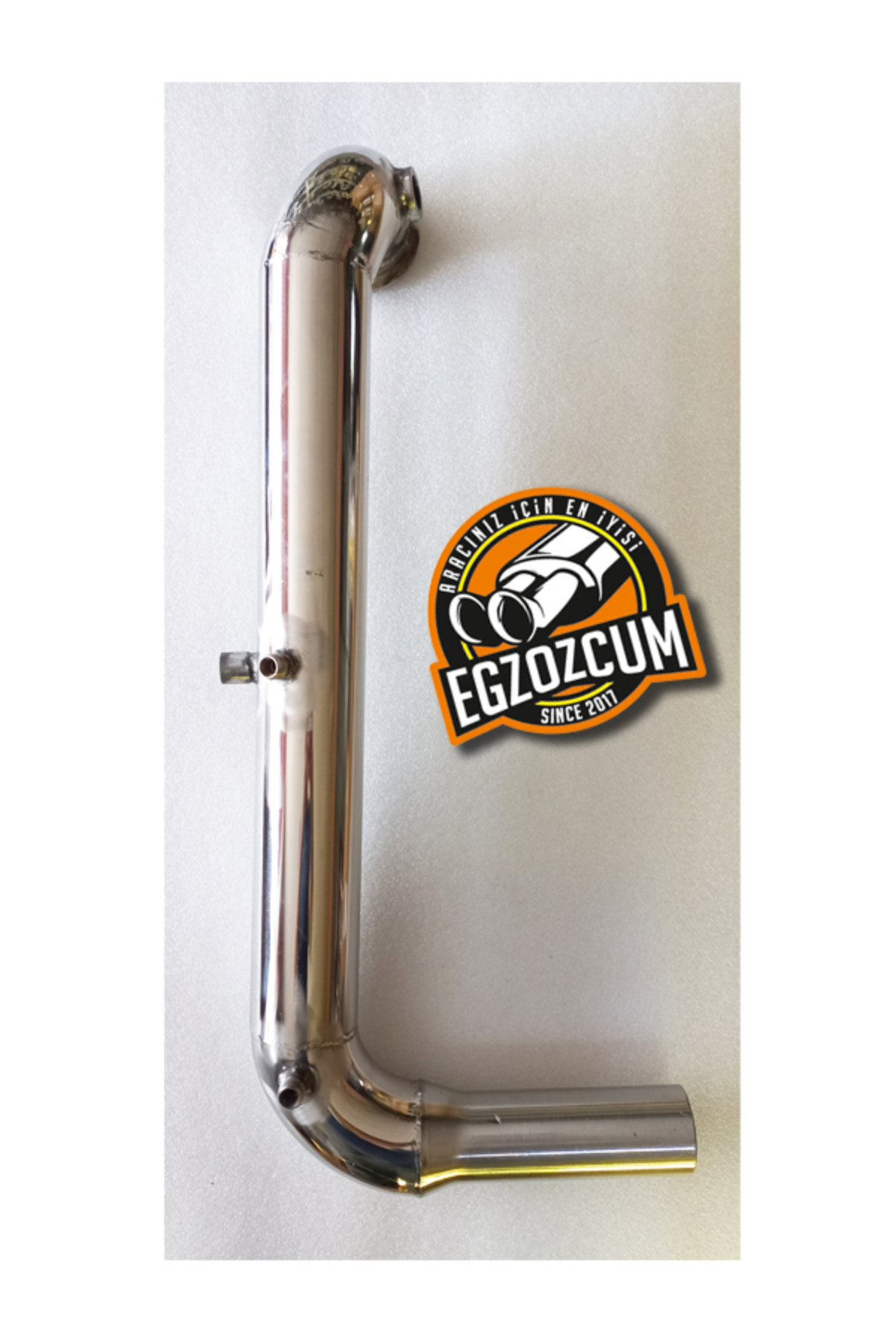
- Downpipe replacement: Systems without catalytic converters increase emissions.
- Software (remap): You can change the burn-in, revert to stock software before testing.
- Air filter: Performance filters can perform less filtering.
Have a professional emissions test performed on modified vehicles before attempting a test drive.
Testing Strategy During Winter Months
In cold weather, the engine takes longer to warm up, and emission values may be higher. When going for inspection in winter:
- Test around noon plan
- The vehicle is not in a closed garage, Heat outdoors
- Before the test 20 minutes at high speed run
- Engine coolant temperature Because it reached 90°C be sure
Tips for Passing the Medical Exam
Exhaust emission valuesTo lower your...
Things to do before the test:
- Warm up the engine: A cold engine produces more dirty gases. Start the engine 15-20 minutes before the test.
- Use at high speed: The day before the test, drive your vehicle at high RPM (3000-4000 rpm) for 20-30 minutes. This cleans the catalytic converter.
- High-quality fuel: Use 2-3 tanks of high-quality, additive-free gasoline/diesel before the test.
- Additives: Use emission-reducing additives one tankful before testing.
Technical Preparation:
- Replace the air filter: Clean air means clean combustion.
- Check the spark plugs: A faulty spark plug increases the HC (hydrocarbon) value.
- Check the lambda sensor: If it's faulty, replace it immediately.
- Catalytic converter: If it's clogged, have it cleaned or replaced.
Frequently Asked Questions
Are emissions tests different for diesel vehicles?
Yes, in diesel vehicles. HC and CO alongside the measurement smoke opacity (Foginess) is also measured. In diesels, the NOx value is more important.
What is the situation with LPG-powered vehicles?
Vehicles running on LPG generally have lower emission levels. However, regular maintenance of the LPG system is essential.
Do emission values vary depending on the age of the vehicle?
Yes. According to Euro standards:
- Euro 1-2 (Before 1996): Higher limits
- Euro 3-4 (2000-2009): Middle limits
- Euro 5-6 (After 2009): Very low limits
What should I do if I fail the emissions test?
1. Obtain the test report.
2. Perform fault diagnosis based on the highest readings.
3. Get the necessary repairs done.
4. Retake the test within 15 days.
Exhaust Emission Values and Performance Relationship
Low emission values generally mean:
- More efficient combustion
- Better fuel economy.
- Higher engine performance
- Longer engine life
That means... exhaust emission values This is important not only for the environment, but also for the health of your vehicle.
Conclusion: Clean Exhaust = Smart Driver
Exhaust emission valuesUnderstanding and controlling emissions is key to both being an environmentally conscious driver and ensuring your vehicle is running smoothly. Regular maintenance and quality fuel will help keep your emissions at ideal levels at all times.
If you're wondering how your exhaust system works, “"How Does an Exhaust System Work?"” Check out our guide to learn about exhaust parts. “"Exhaust System Parts and Their Functions"” Read our article.
📞 Technical Support and Product Information
Technical reference:
Detailed information about exhaust emissions (Wikipedia)