
Catted vs. Catless Downpipe Comparison: 9 Key Differences
Comparison of catted vs catless downpipes., Downpipe upgrades are one of the things turbocharged vehicle owners absolutely need to know before making performance modifications. Upgrading the downpipe allows the engine to expel exhaust gases faster, significantly altering both performance and sound characteristics. However, there are important differences between catted and catless downpipes.
In this article, we compare catted and catless downpipe options under nine critical headings: performance, sound, emissions, legal compliance, and daily use.
1) What is Catted and Catless Downpipe?
Comparison of catted vs catless downpipes.The first step to understanding this is knowing what both types are.
- Catted (catalyst) downpipe: It is a type of downpipe that contains a high-flow catalytic converter.
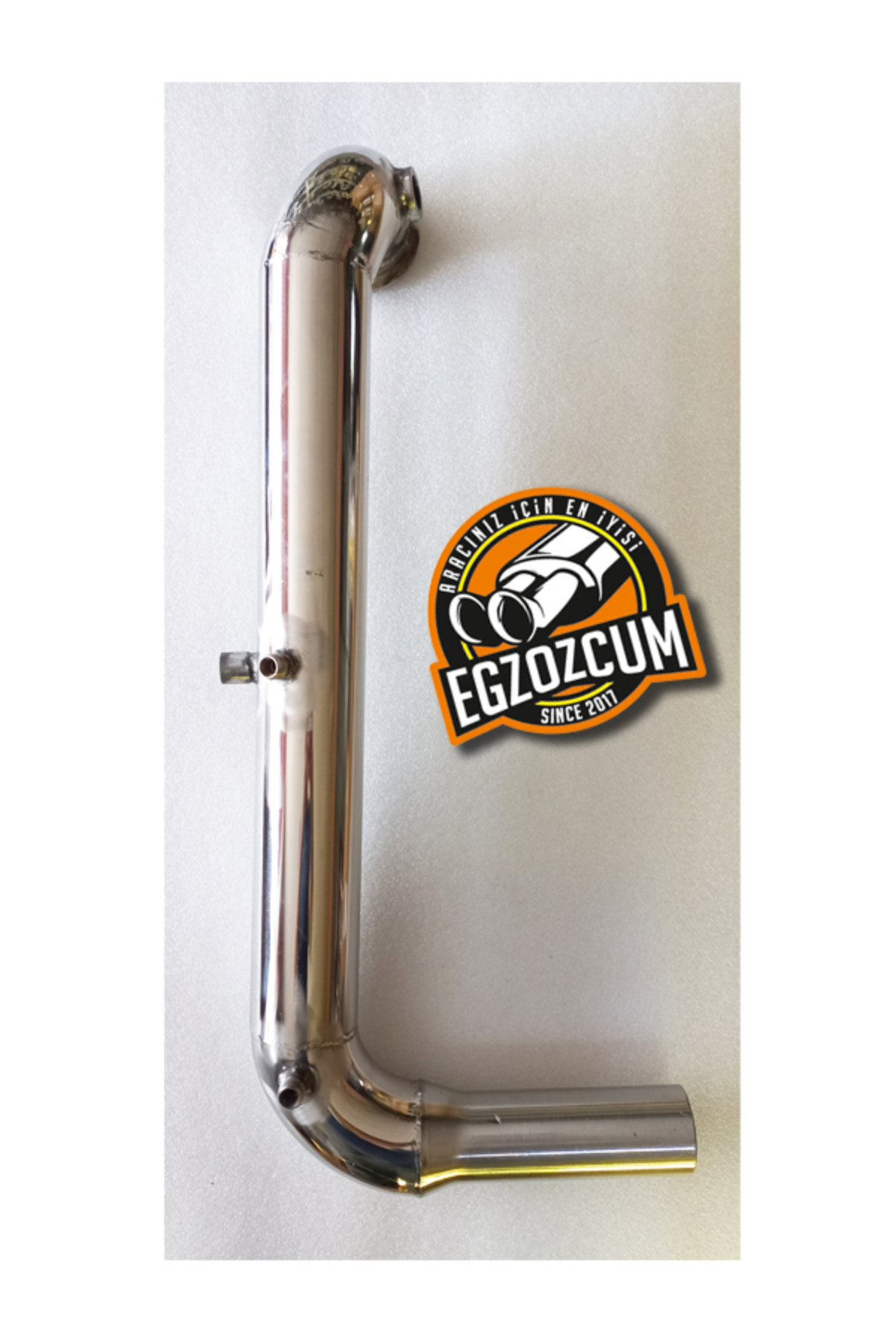
- Catless (catalyst-free) downpipe: This is a type of downpipe that has a completely straight pipe structure and does not contain a catalytic converter.
2) Performance Difference
In terms of performance, a catless downpipe generally offers higher potential because there are virtually no restrictions on the exhaust gases.
To compare:
- Catless: Maximum horsepower and torque increase.
- Catted: A slightly lower but balanced performance increase.
In daily use, this difference is often not noticeable.
3) Voice Character
Comparison of catted vs catless downpipes. When these are mentioned, one of the most noticeable differences is the sound.
- Catless downpipe: It produces a much louder, more raspy, and aggressive sound.
- Catched downpipe: It delivers a richer, more controlled, and refined sound.
In everyday use, a catless downpipe can be inconvenient on long journeys and in city driving.
4) Emissions and Odor
Catalytic converters are absent in catalytic downpipes, meaning the exhaust gases are not filtered. This results in strong exhaust odors and higher emission levels.
To compare:
- Catless: Strong odor, high emissions.
- Catted: Cleaner gas output, lower odor.
5) Legal Status and Inspection
Comparison of catted vs catless downpipes. One of the most critical issues when doing this is the legal situation.
- Catless downpipe: It is illegal in many countries, including Türkiye, and the risk of failing the examination is very high.
- Catched downpipe: Models with high-flow catalytic converters are more likely to pass inspection because they maintain better emission levels.
6) Check Engine Light Risk
When a catalytic converter-free downpipe is installed, the oxygen sensors may detect abnormal readings due to the absence of a catalytic converter, potentially illuminating the check engine light.
To compare:
- Catless: The risk of a check engine light is very high.
- Catted: Check engine risk is lower.
In both cases, software may be required.
7) Impact on Fuel Consumption
Both types of downpipes improve exhaust flow, which theoretically leads to more efficient engine operation.
But in practice:
- With calm driving, the difference in fuel consumption is minimal.
- Fuel consumption increases with high-performance use.
So the difference in fuel consumption depends on driving style.
8) Suitability for Daily Use
Comparison of catted vs catless downpipes.The result of its daily use is clear.
- Catched downpipe: It is much more suitable for everyday use.
- Catless downpipe: Suitable for track and performance-oriented use.
If you're considering issues like silence, odor, and inspection within the city, a catted downpipe is a more sensible choice.
9) Price Difference
In general, catalytic converter-free downpipes are cheaper than catalytic converter-equipped models. This is because they do not contain an expensive catalytic converter.
But in the long run:
- Risks of inspection and penalties.
- Legal issues
- Replacement of parts again
Costs such as these can make the catless option more expensive.
Conclusion
Comparison of catted vs catless downpipes., It presents a clear winner depending on its intended use.
If:
- Daily use
- Legal compliance
- More refined sound
If it's important, a catted downpipe is the most logical choice.
If:
- Maximum performance
- Runway usage
- Aggressive voice
If it's a priority, a catless downpipe can be preferred.
In conclusion, Comparison of catted vs catless downpipes. When designing, you must consider legal compliance and everyday usability as much as performance.